
Free Client Resources & Downloads



At Home Symptom Guide
PLEASE READ:
*This page is intended to provide general educational guidance only based on common symptoms pet owners may notice at home.
It does not provide medical advice, diagnosis, or treatment, and should not replace an examination by a veterinarian.
If you are concerned about your pet at any time, if symptoms worsen, or if multiple symptoms are present, please contact our clinic to speak with our staff or schedule an appointment.*
Dogs
What you may notice:
• One or more vomiting episodes
• Food, bile (yellow/foamy), or liquid
• Gagging or drooling beforehand
This may sometimes be seen with: Dietary indiscretion, Eating too quickly, Stress, Forgein Body Ingestion, Mild gastrointestinal upset, or other potential causes
At home, you may consider:
• Monitoring frequency and appearance
• Ensuring access to fresh water
• Watching appetite and energy closely
⚠️ Please call us if:
• Repeated or continuous vomiting is seen
• Blood is present
• Your dog seems painful, weak, or lethargic
• Your dog is very young, senior, or has known medical conditions
What you may notice:
• Loose or watery stool
• Increased urgency or accidents
• Mucus or blood
This may sometimes be seen with: Diet changes, Stress, Parasites, Intestinal upset, or other potential causes
At home, you may consider:
• Ensuring hydration
• Monitoring stool frequency and appearance
• Observing appetite and behavior
⚠️ Contact us if:
• Diarrhea lasts more than 24–48 hours
• Blood or black stool is present
• Your dog strains or appears uncomfortable
• Appetite or energy level declines
What you might see:
• Sleeping more than usual
• Decreased interest in play or food
• Less interaction with family
This can sometimes be seen with: Stress, Mild illness, Pain, Fever, or other potential causes
At home, you may consider:
• Providing a quiet, comfortable space
• Monitoring behaviors, appetite, water intake, and bathroom habits
⚠️ Please call us if:
• Lethargy is sudden or severe
• Your pet will not eat or drink
• Symptoms worsen or persist
• Lethargy is paired with vomiting, diarrhea, or pain
What you might see:
• Skipping meals
• Eating less than normal
• Sniffing food but not eating
This can sometimes be seen with: Stress or routine changes, Mild gastrointestinal upset, Dental discomfort, or other potential causes
At home, you may consider:
• Monitoring food intake closely
• Offering meals at normal times
• Observing for other symptoms
⚠️ Contact us if:
• Your pet refuses food for more than 24 hours
• Appetite loss is paired with weight loss, vomiting, or lethargy
• Your pet is very young, elderly, or has existing health conditions
What you may notice:
• Favoring a limb
• Hesitation to jump or climb stairs
• Stiffness after rest
This may sometimes be seen with: Minor strains, Arthritis, Injury, Some Ilnesses, or other potential causes
At home, you may consider:
• Restricting activity
• Preventing jumping or running
• Monitoring for swelling or worsening discomfort
⚠️ Please call us if:
• Limping is sudden, severe, or painful
• Swelling is present
• Symptoms do not improve
Cats
What you may notice:
• One or more vomiting episodes
• Vomiting food or liquid
• Lip licking or drooling
This may sometimes be seen with: Dietary indiscretion, Hairballs, Stress, Forgein Body Ingestion, Gastrointestinal Upset, or other potential causes
At home, you may consider:
• Monitoring frequency and appearance
• Ensuring access to fresh water
• Watching appetite and behavior closely
⚠️ Please call us if:
• Repeated or continuous vomiting is seen
• Blood is present
• Your cat seems painful, weak, or lethargic
• Your cat is very young, senior, or has known medical conditions
What you may notice:
• Loose or watery stool
• Increased urgency or accidents outside of the litterbox
• Mucus or blood
This may sometimes be seen with: Diet changes, Stress, Parasites, Intestinal upset, or other potential causes
At home, you may consider:
• Ensuring hydration
• Monitoring stool frequency and appearance
• Observing appetite and behavior
⚠️ Contact us if:
• Diarrhea lasts more than 24–48 hours
• Blood or black stool is present
• Your cat strains or appears uncomfortable
• Appetite or energy level declines
What you might see:
• Sleeping more than usual
• Decreased interest in food or behavioral chnages
• Less interaction with family
This can sometimes be seen with: Stress, Mild illness, Pain, Fever, or other potential causes
At home, you may consider:
• Providing a quiet, comfortable space
• Monitoring behaviors, appetite, water intake, and bathroom habits
⚠️ Please call us if:
• Lethargy is sudden or severe
• Your cat will not eat or drink
• Symptoms worsen or persist
• Lethargy is paired with vomiting, diarrhea, or pain
What you might see:
• Skipping meals
• Eating less than normal
• Sniffing food but walking away
This can sometimes be seen with: Stress or routine changes, Mild gastrointestinal upset, Dental discomfort, or other potential causes
At home, you may consider:
• Monitoring food intake closely
• Offering meals at normal times
• Observing for other symptoms
⚠️ Contact us if:
• Your cat refuses food for more than 24 hours
• Appetite loss is paired with weight loss, vomiting, or lethargy
• Your cat is very young, elderly, or has existing health conditions
What you may notice:
• Hiding more than usual
• Decreased interaction
• Changes in routine
This may sometimes be seen with: Stress, Pain, Illness, or other potential causes
At home, you may consider:
• Providing quiet, safe spaces
• Reducing stressors
• Monitoring appetite and litter box habits
⚠️ Please contact us if:
• Behavior changes persist
• Appetite decreases
• Additional symptoms appear
Urinary issues in cats can become serious quickly!
What you may notice:
• Urinating more or less often
• Straining in the litter box
• Urinating outside the box
• Diarrhea or constipation
This may sometimes be seen with: Stress, Gastrointestinal issues, Urinary concerns or blockages
⚠️ Call us immediately if:
• Your cat is straining without producing urine
• Vocalizing in the litter box
• Visiting the box repeatedly with little output
When in Doubt, Reach Out!
If something feels off, trust your instincts! Our team is always happy to help you decide what the next best step is for your pet
(207) 797 - 4747
Westbrookah@gmail.com



Ask Us Anything!
“Is my dog mad at me after the vet?”
Short answer: No!
Thankfully our dogs don’t hold grudges the way humans do
After a visit, they may seem quiet or clingy due to:
• Stress
• Fatigue
• New smells
• Mild soreness due to treatments or illness
Most dogs return to normal within a day or two, especially with rest, routine, and reassurance
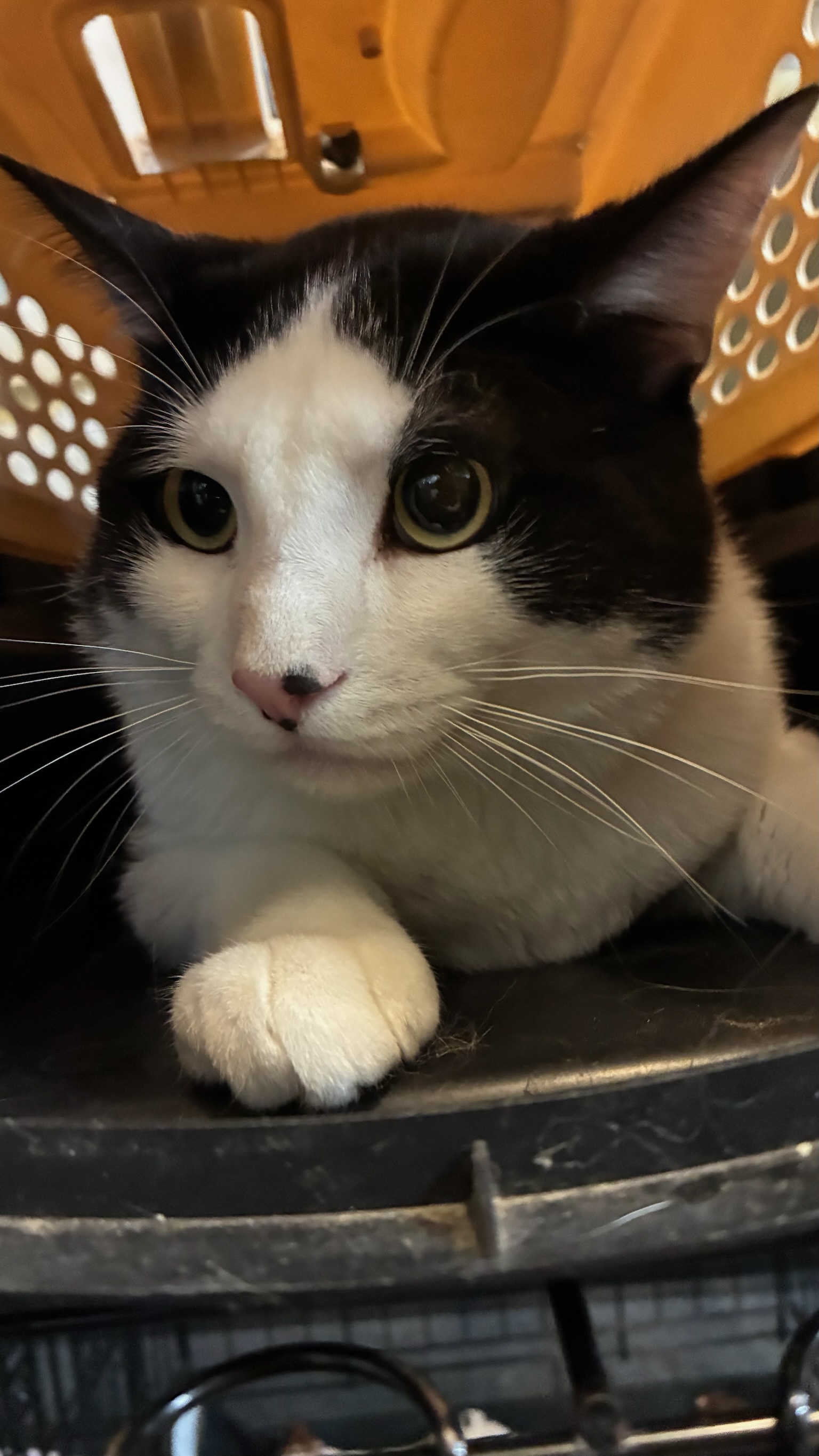
“Why does my cat act completely normal at home but terrified at the vet?”
Cats can be masters at masking discomfort in familiar environments
At the clinic they may experience:
• New smells
• New sounds
• Handling can bring hidden stress or pain to the surface.
This doesn’t mean your cat is dramatic, it means they’re showing their natural feline instincts!